
Food Processing Parks. Based in Bengaluru.
Turning local resources into local enterprises.
We help farmers, self-help groups and first-time entrepreneurs start food-processing businesses from what their area already produces. Each business belongs to the person who runs it.
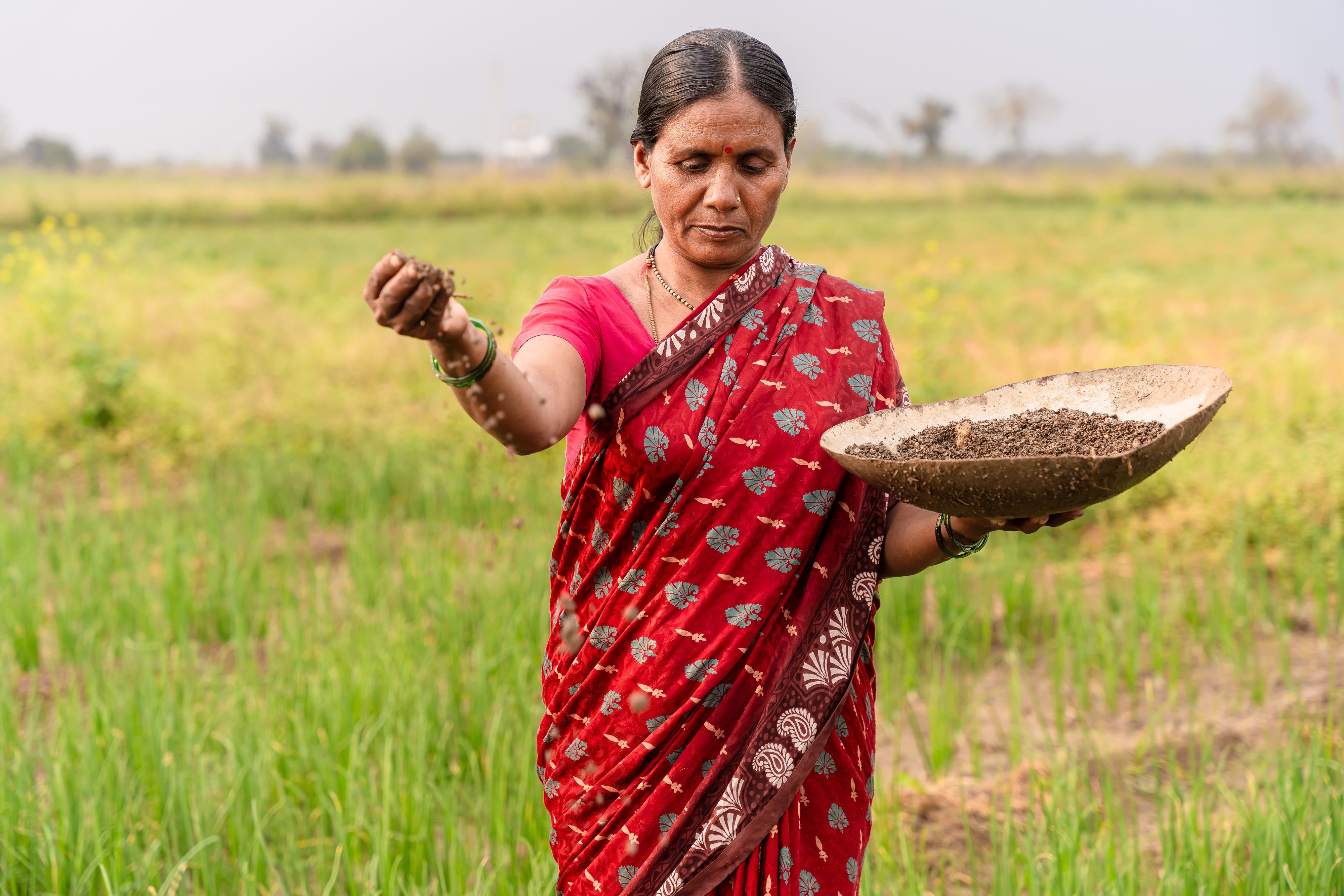
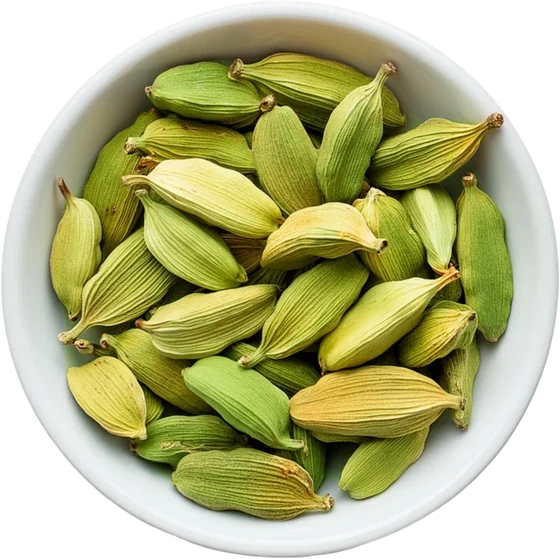
Most schemes start by asking who wants a loan. We start with what's already here.
Plenty of people could run a food business. What most of them are missing is the rest of it: the right opportunity, a place to work, machinery, know-how, buyers and support once they've started. We put that in place around them.
-
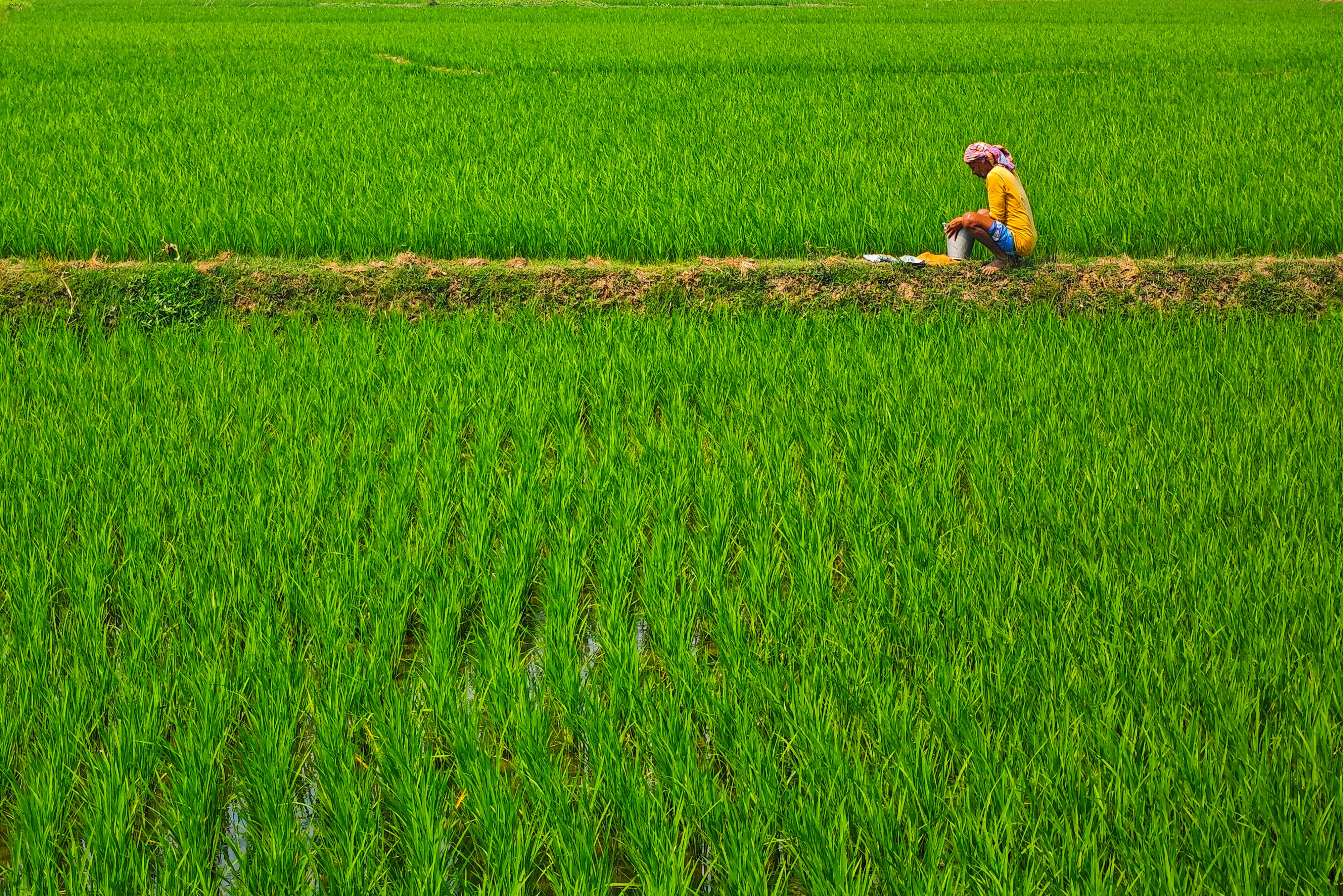
What grows here?
And what goes to waste, or gets sold cheaply as raw material.
-
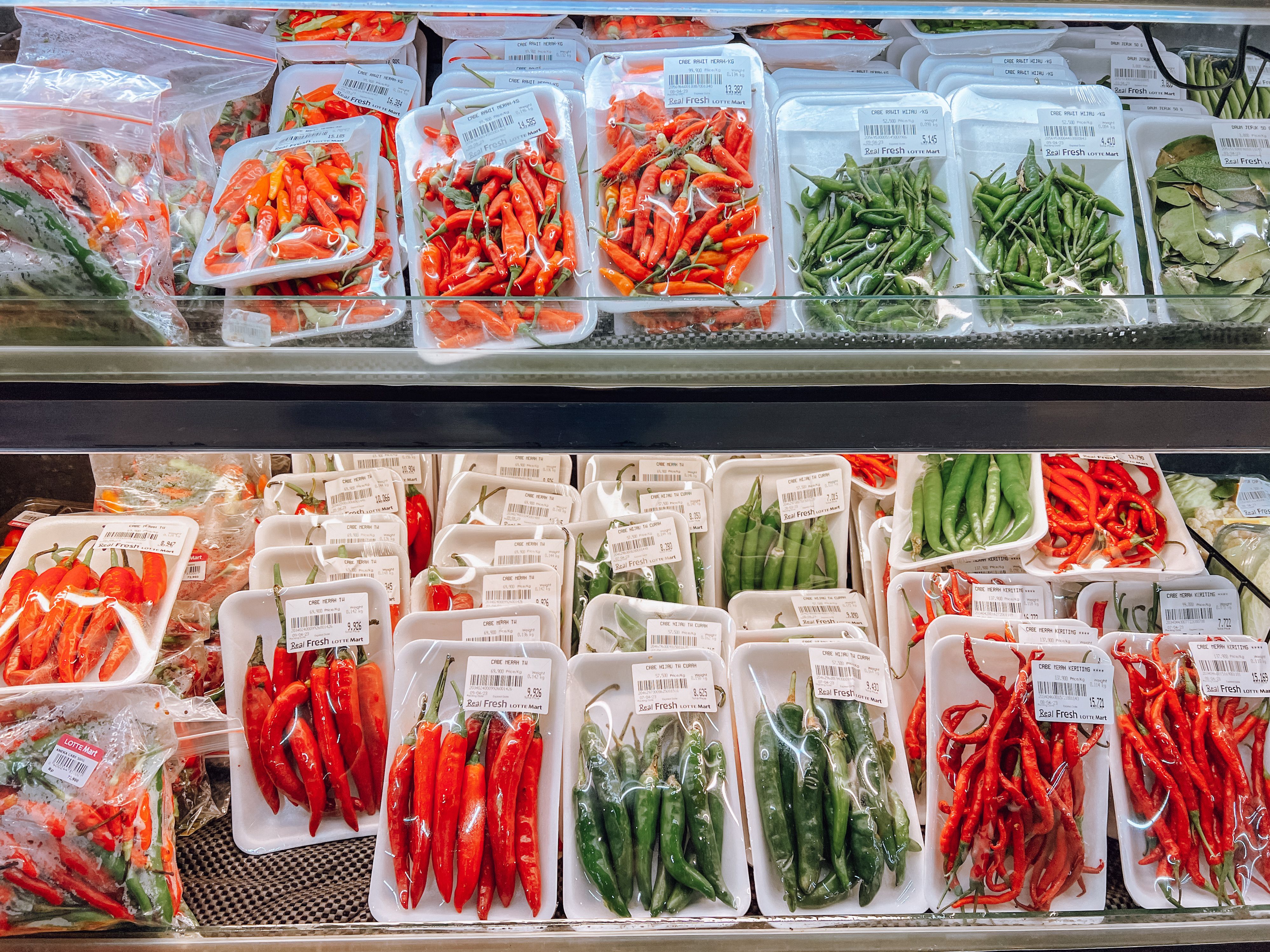
What could be made from it?
What buyers want, and what processing could add.
-
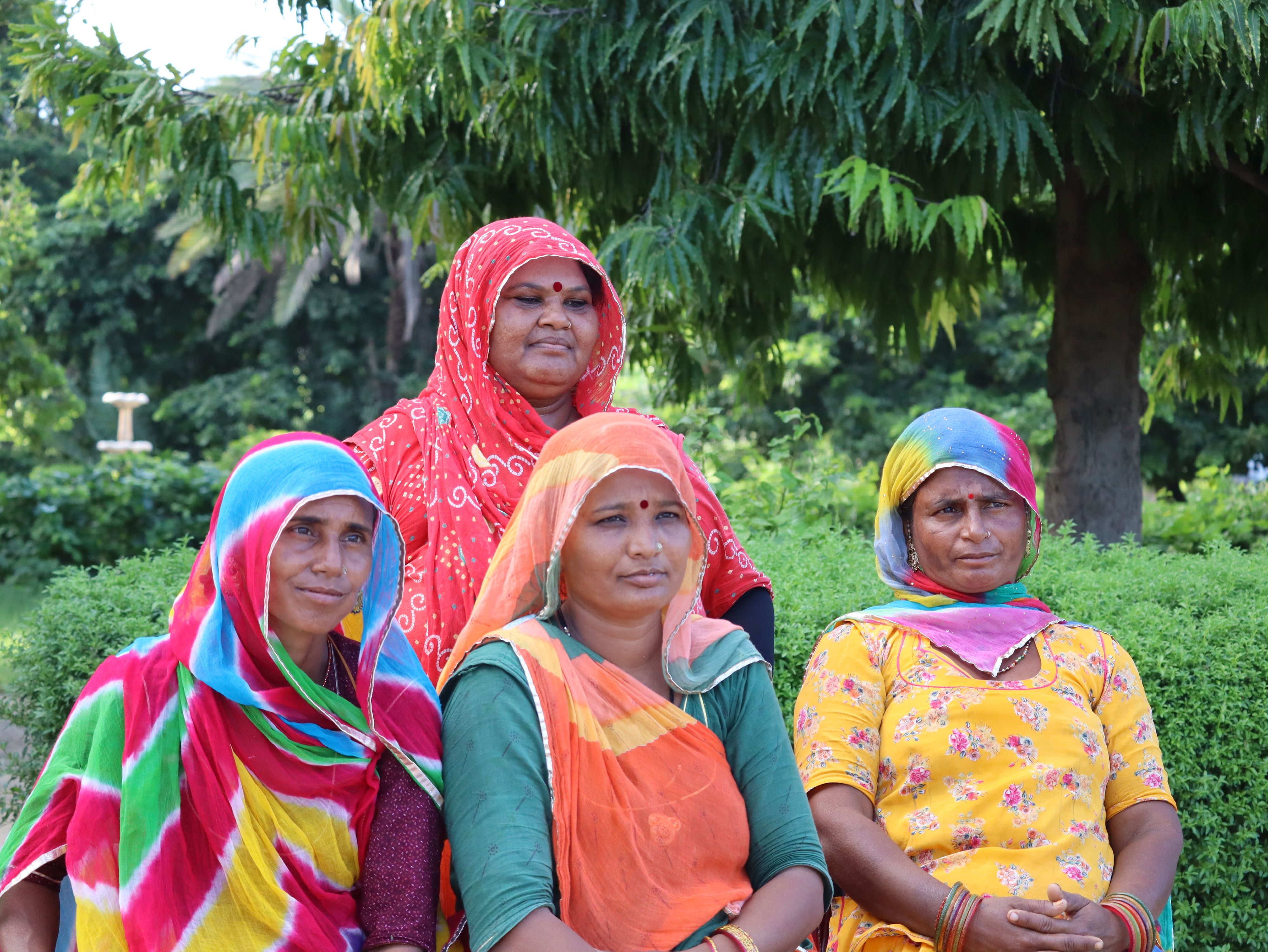
Who could run that business?
The person who will own it.
-
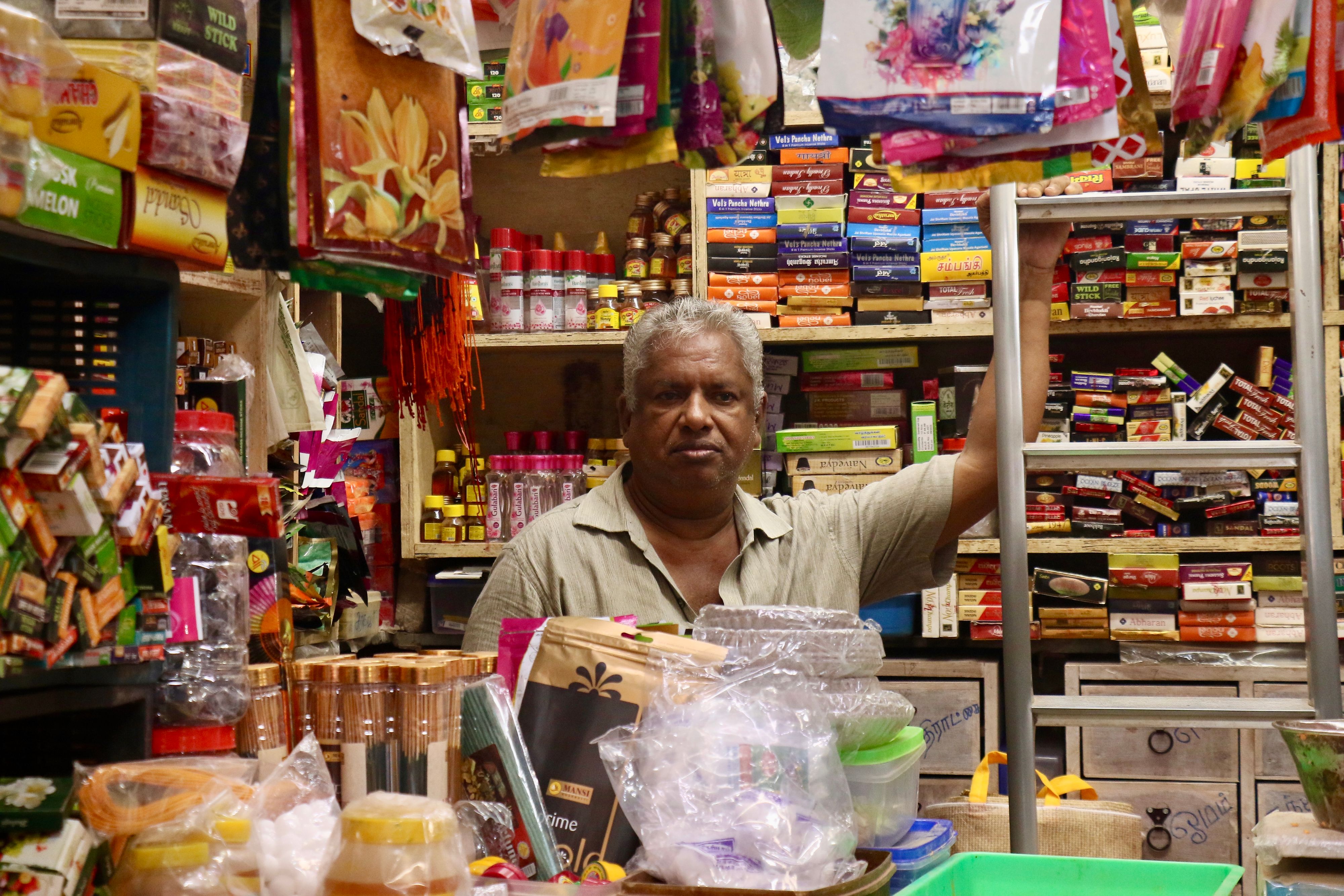
Who would buy it?
Shops, institutions, online buyers and regional markets.
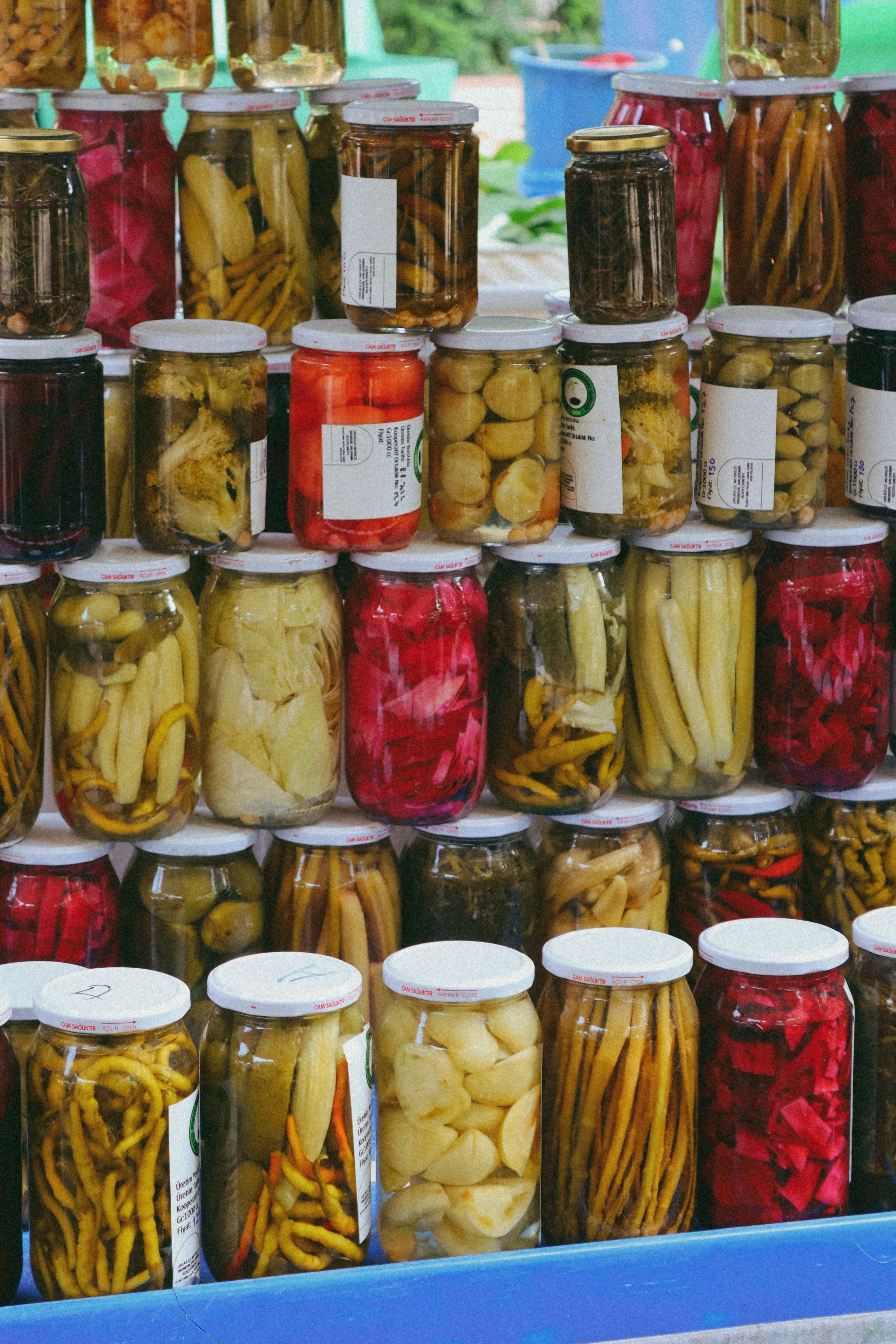
A farmer who grows peanuts could also be selling peanut butter.
It takes the right person, the right equipment and a buyer. What makes sense depends on the area: what's grown, what it costs and what people will pay for, so we don't work from a fixed product list. Where the numbers work, we help farmers do the processing themselves.
What grows or is produced near you?
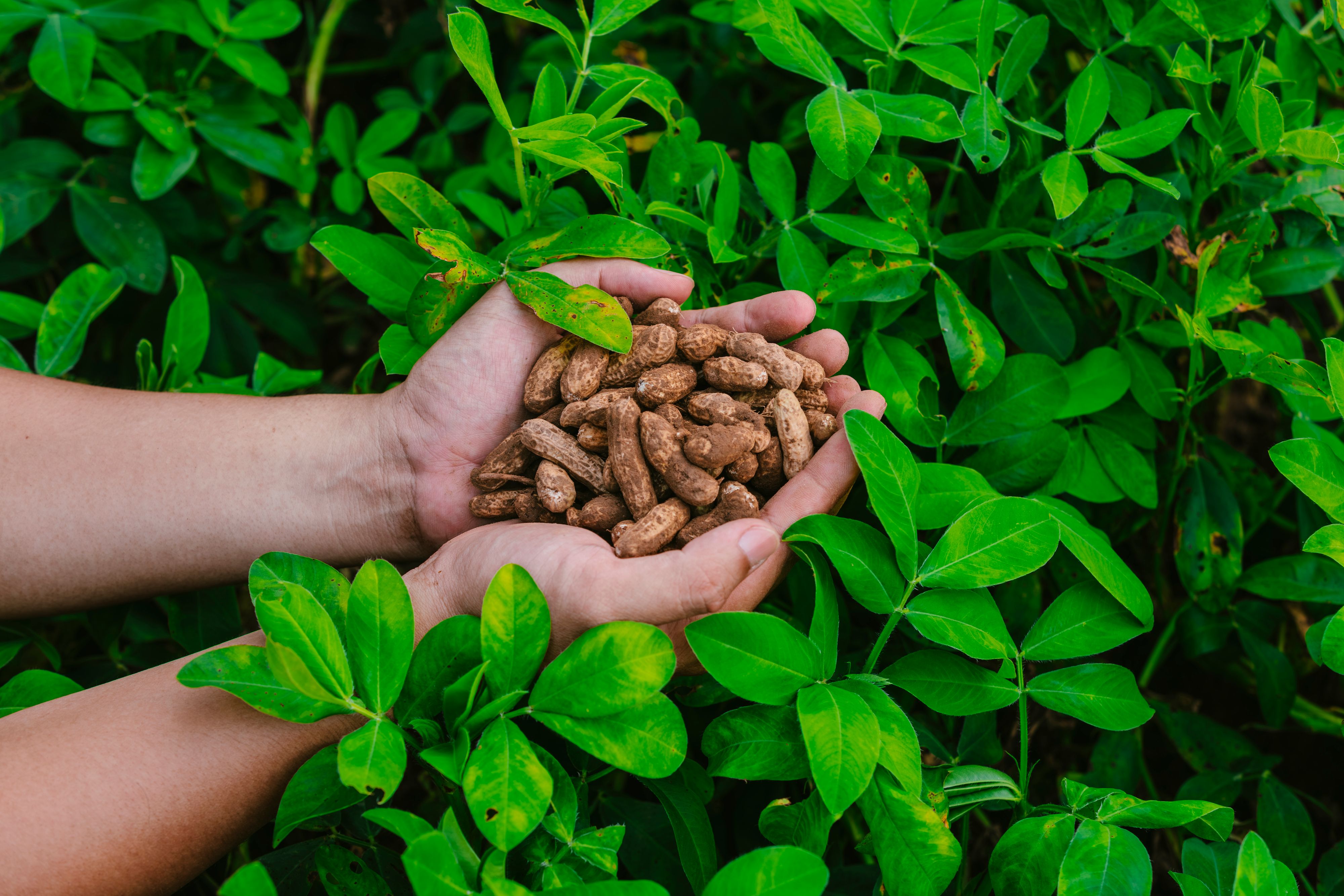
From peanuts to a business.
- Peanuts.
- Roasted nuts or peanut butter.
- Packaged product.
- Your own brand.
- Shops and online.
- A business and an income.
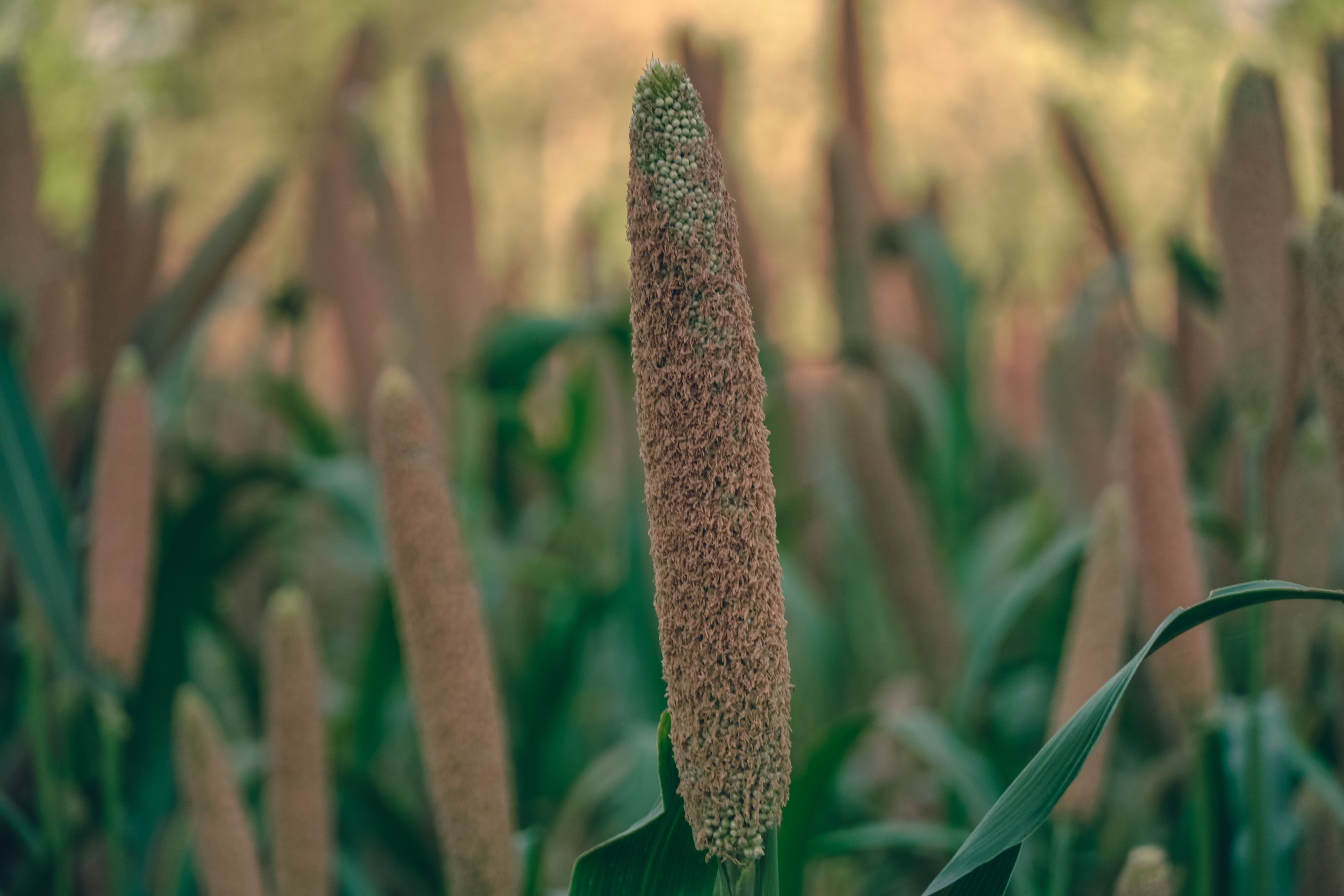
From millets to a business.
- Millets.
- Flour, mixes and snacks.
- Packaged products.
- Your own brand.
- The market.
- A business and an income.
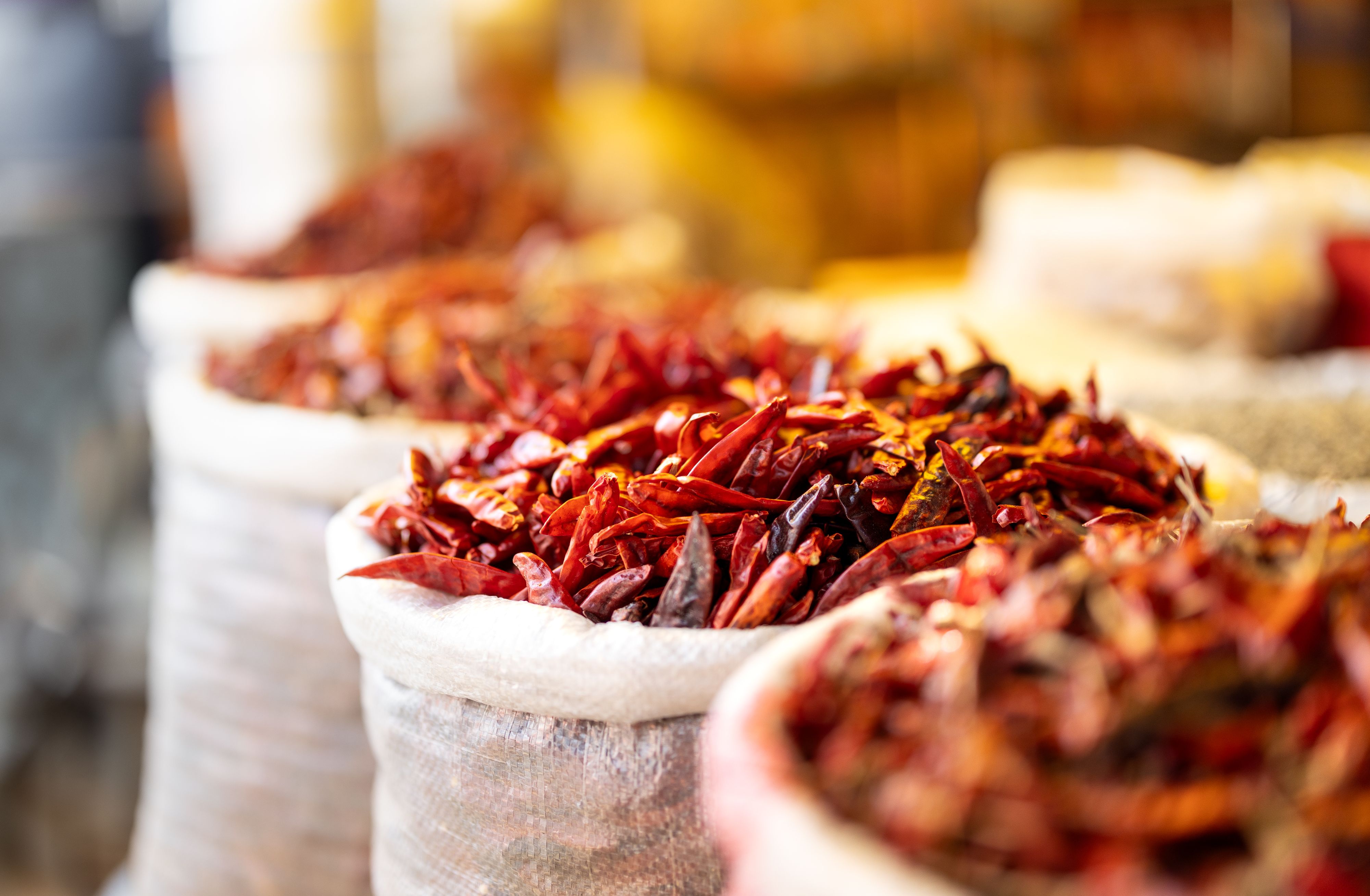
From chillies to a business.
- Chillies.
- Cleaned, dried and ground.
- Packaged products.
- Your own brand.
- The market.
- A business and an income.
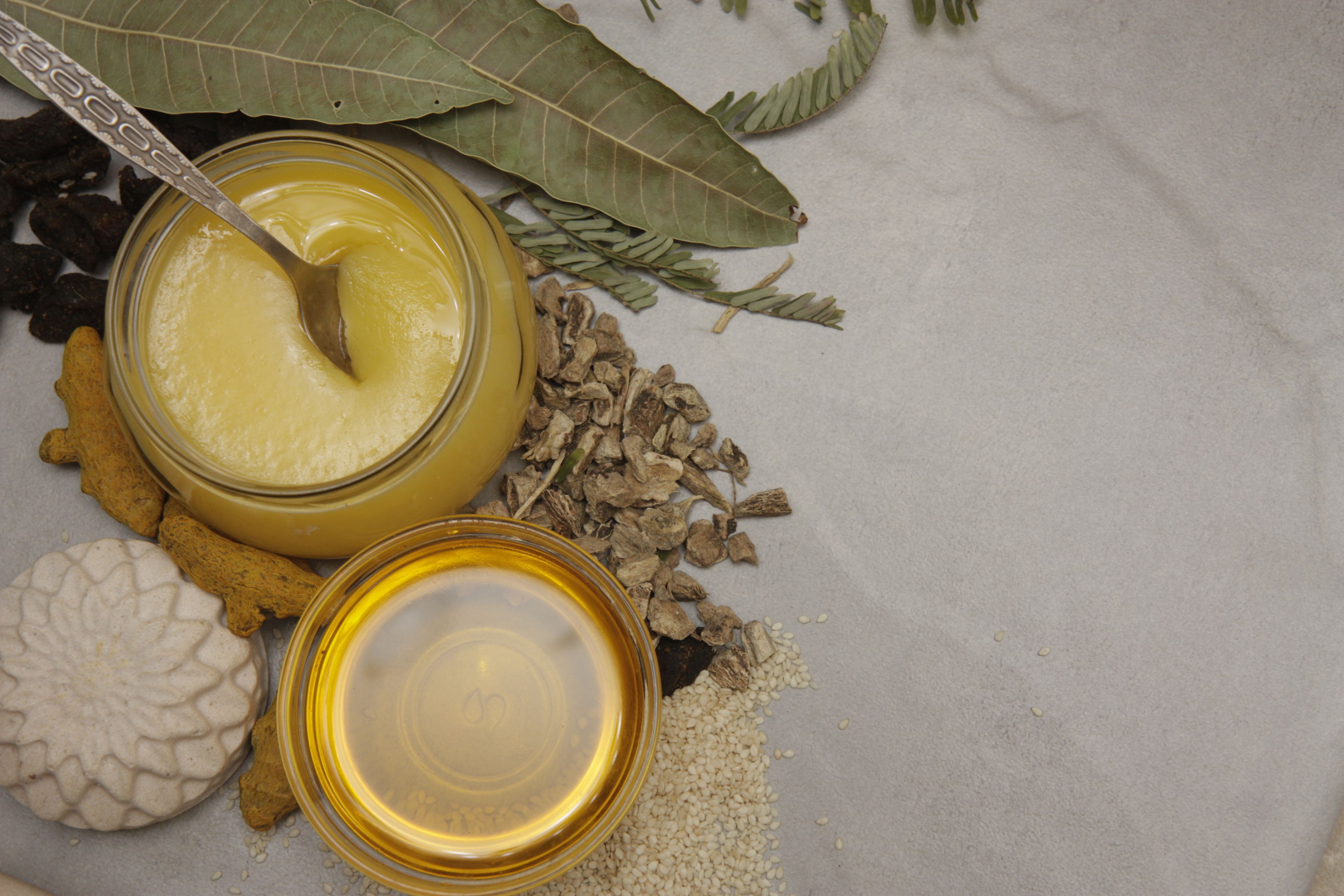
From milk to a business.
- Milk.
- Paneer, curd and ghee.
- Packaging.
- Your own brand.
- The market.
- A business and an income.
Something else near you?
We don't work from a fixed product list. Tell us what's available where you are, and we'll look at what could be made from it, what it costs and who would buy it.
What we can help with.
Depending on the product, we might help with any of these, from finding the idea to improving the process once the unit is running.
Getting started.
- Finding the opportunity.
- Finding the entrepreneur.
- Product and business development.
- Choosing technology and machinery.
- Finding a facility or food park.
- Designing the production system.
Getting ready to sell.
- Food safety and hygiene.
- Packaging and labelling.
- Certifications and regulations.
- Project and financial planning.
- Finance and government schemes.
- Branding.
Running and growing.
- Market development.
- Sales and distribution.
- Training.
- Process monitoring and audits.
- Quality improvement.
- Business mentoring.
- Buying raw materials and supplies.
What a food processing park is.
Several small businesses sharing one set of facilities.
It doesn't have to be a big industrial estate, and we don't have to own it. It can be a building the community already has, or one we help find.
The businesses share things like machinery, storage, packaging and quality checks, and sell through the same channels. Each one is still owned by the person who runs it. We keep the shared parts running.
More about food parks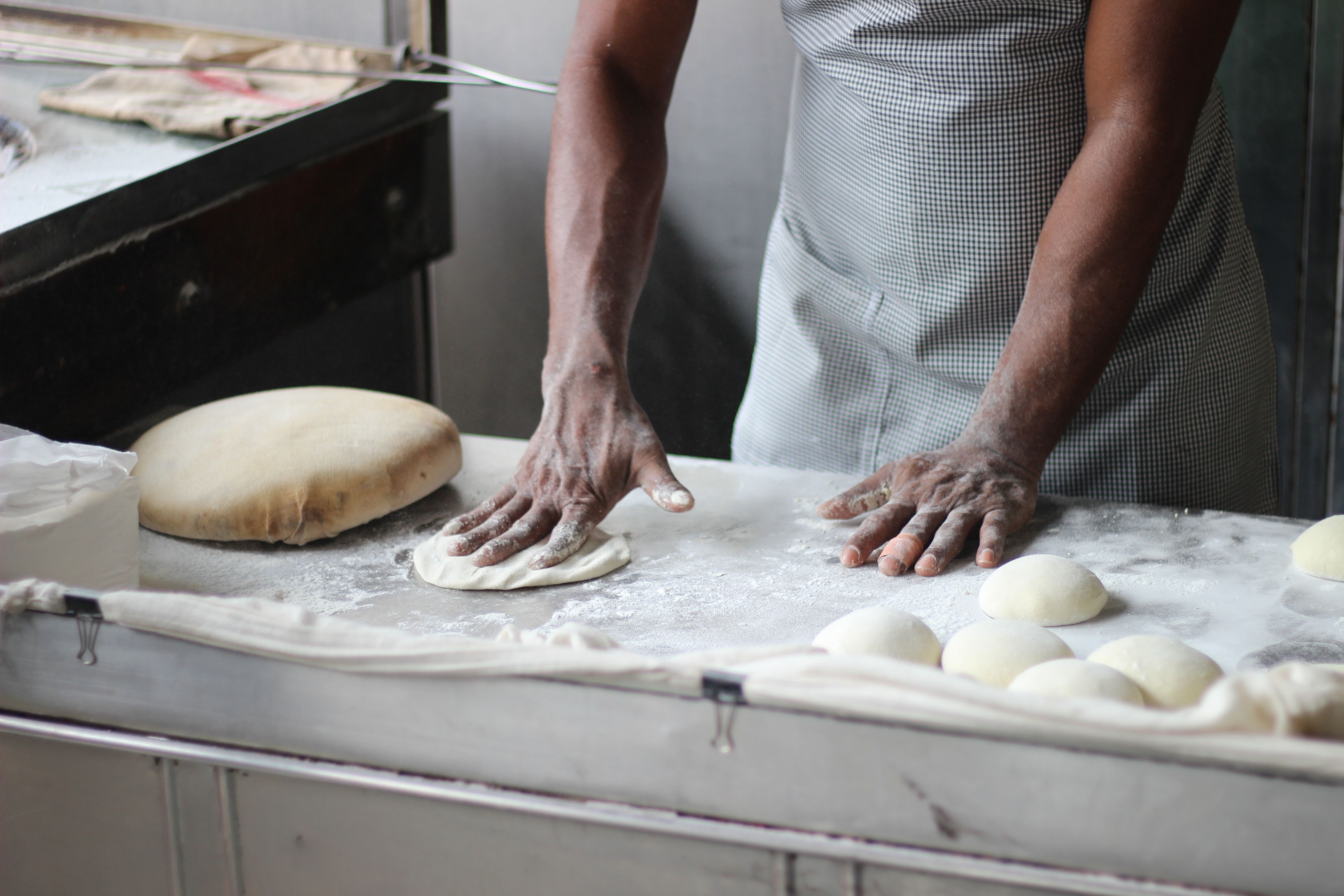
How a business gets built, in seven stages.
-
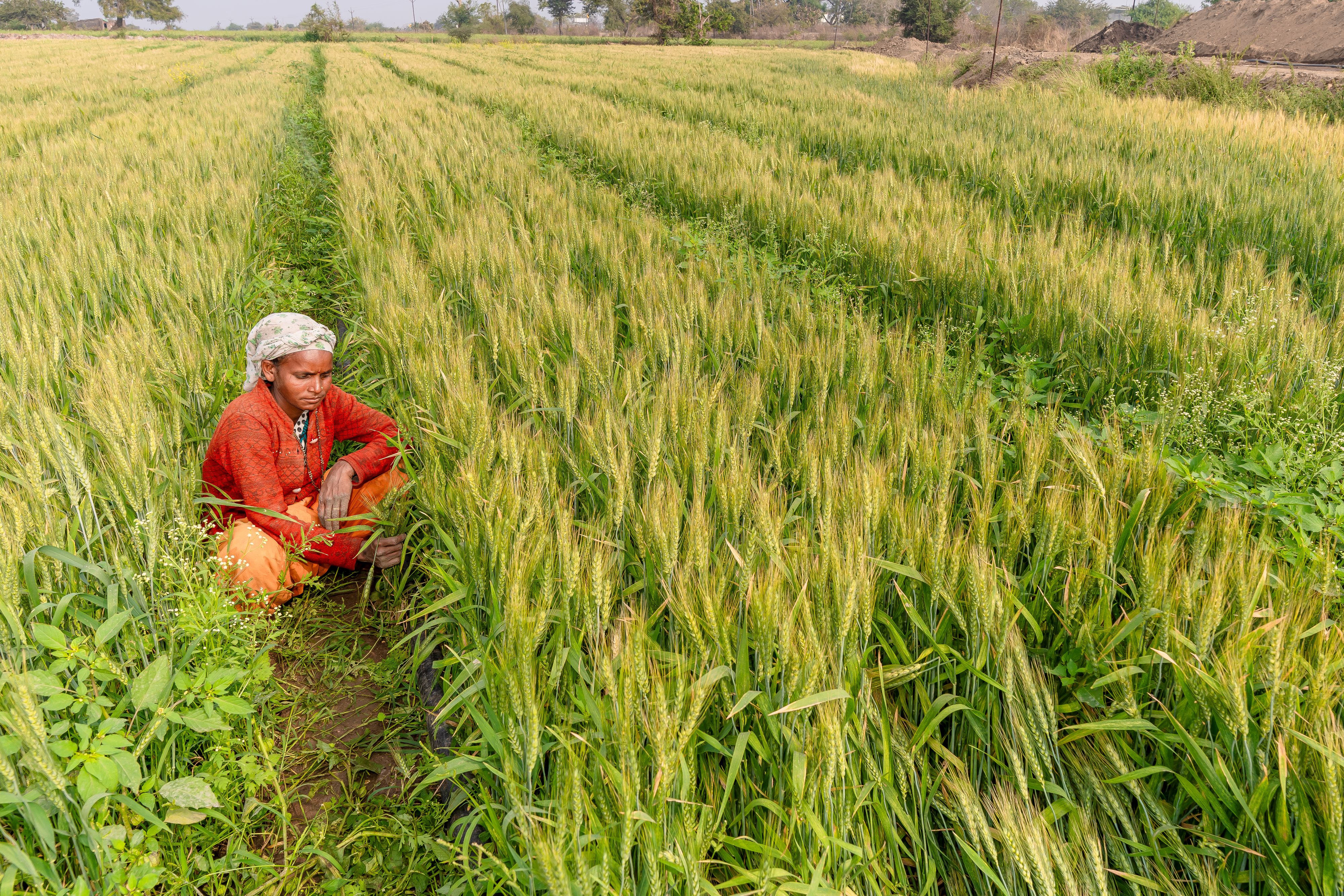
Discover.
Find out what the area grows or produces, what goes to waste and what buyers are asking for.
-
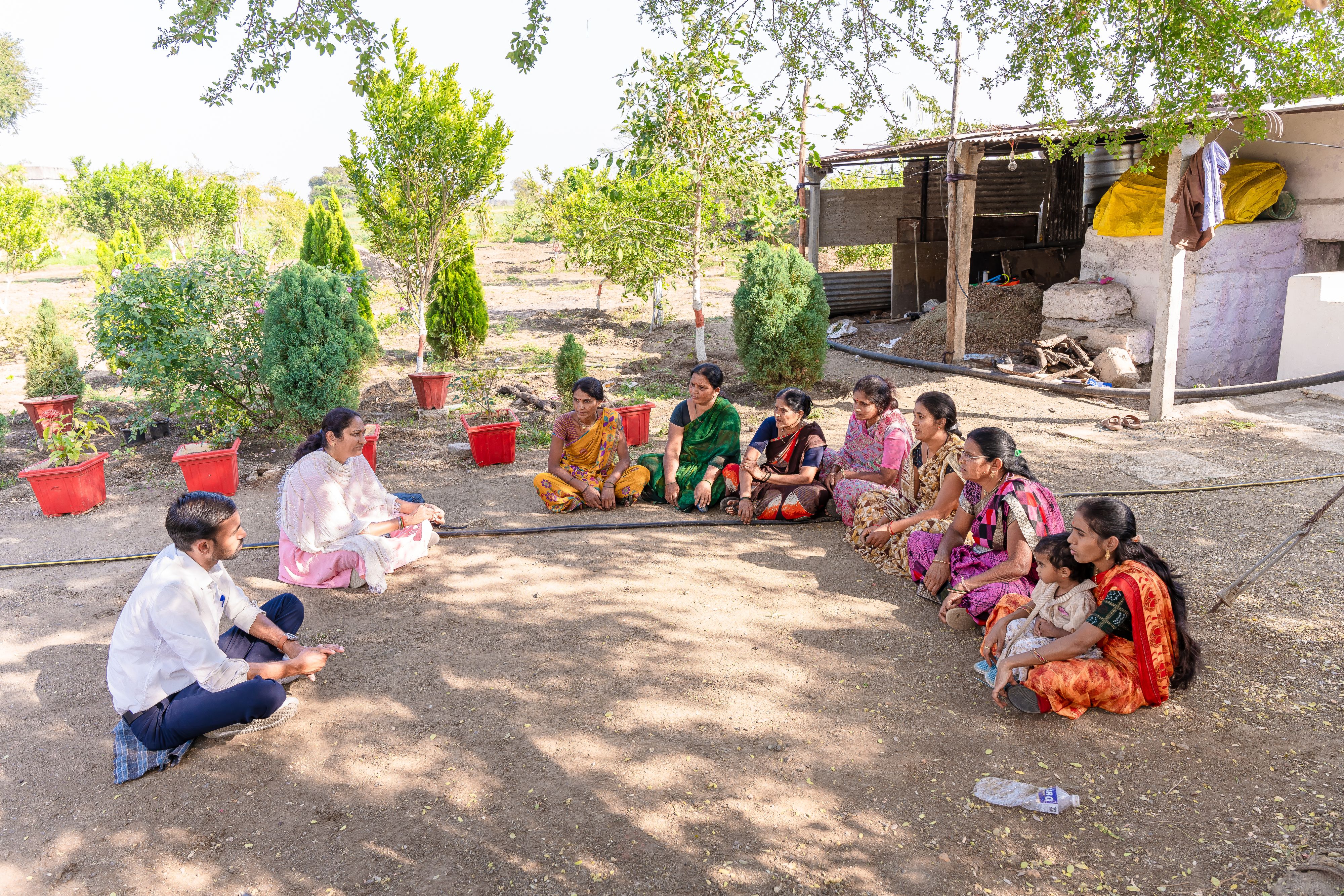
Identify.
Find the people who could run a business around that opportunity.
-
Develop.
Choose the product, the process and the machinery, and work out how the business will make money.
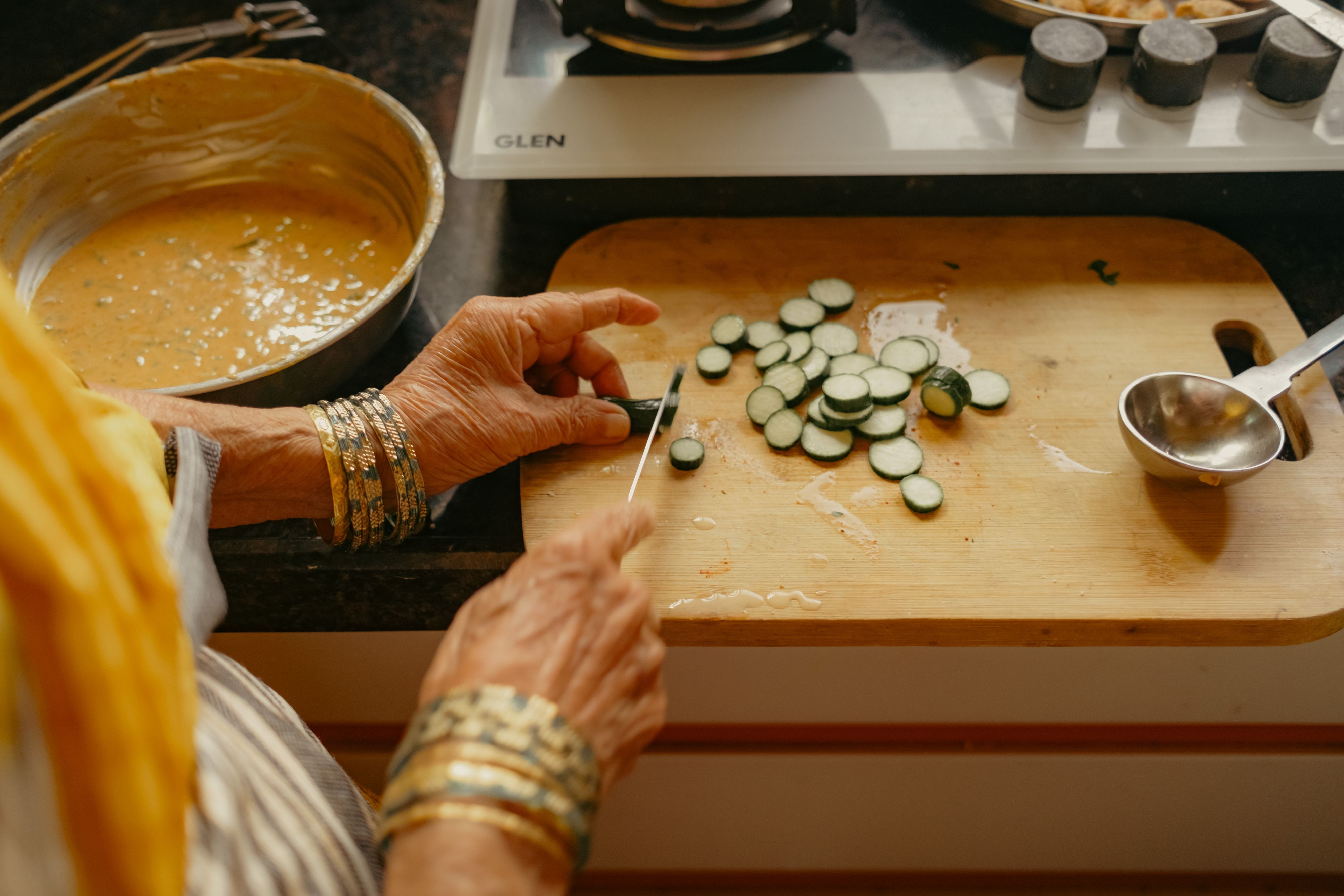
-
Establish.
Set up production and get the food-safety and licensing side in order.
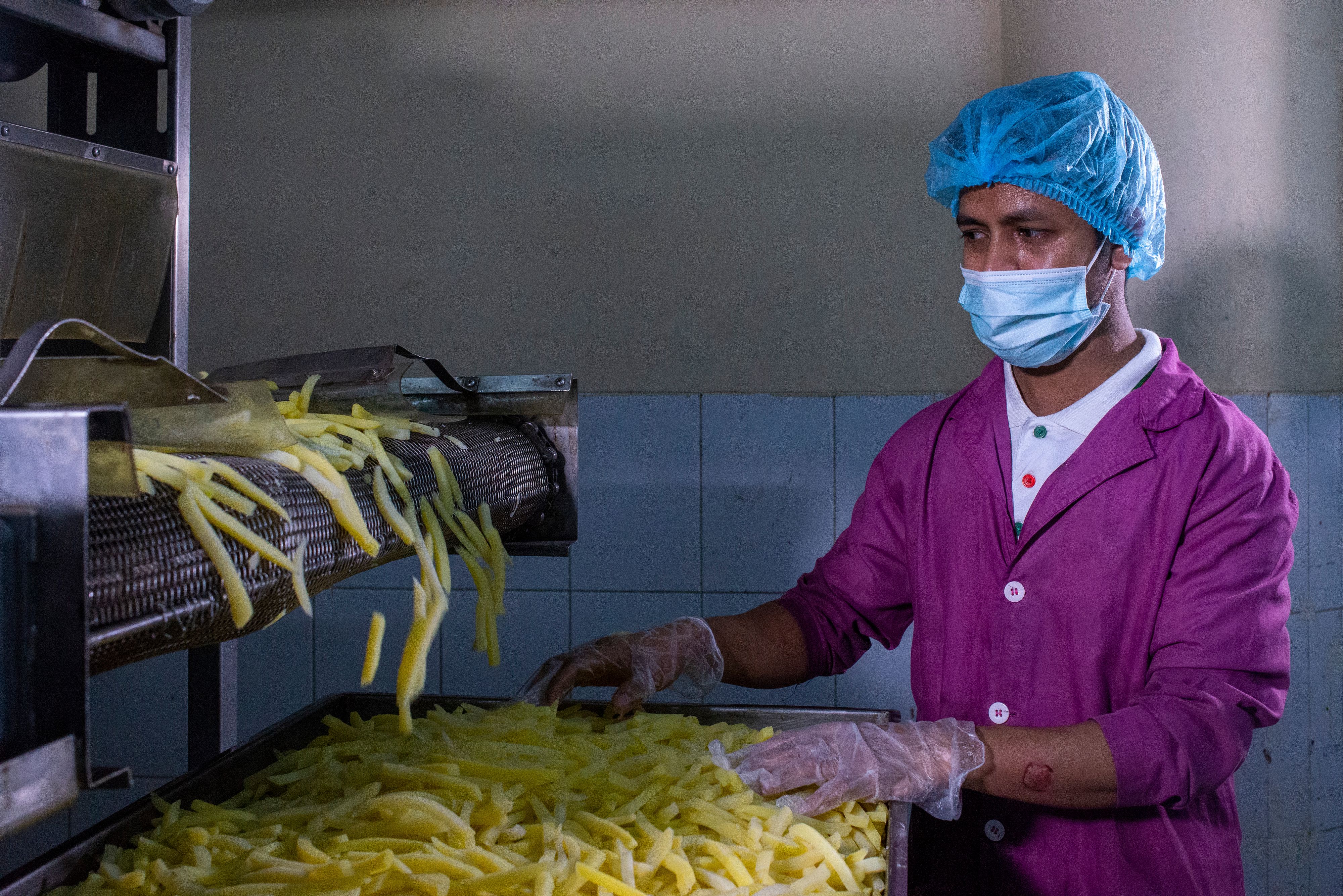
-
Brand.
Design the packaging and decide how the product is presented and who it's for.
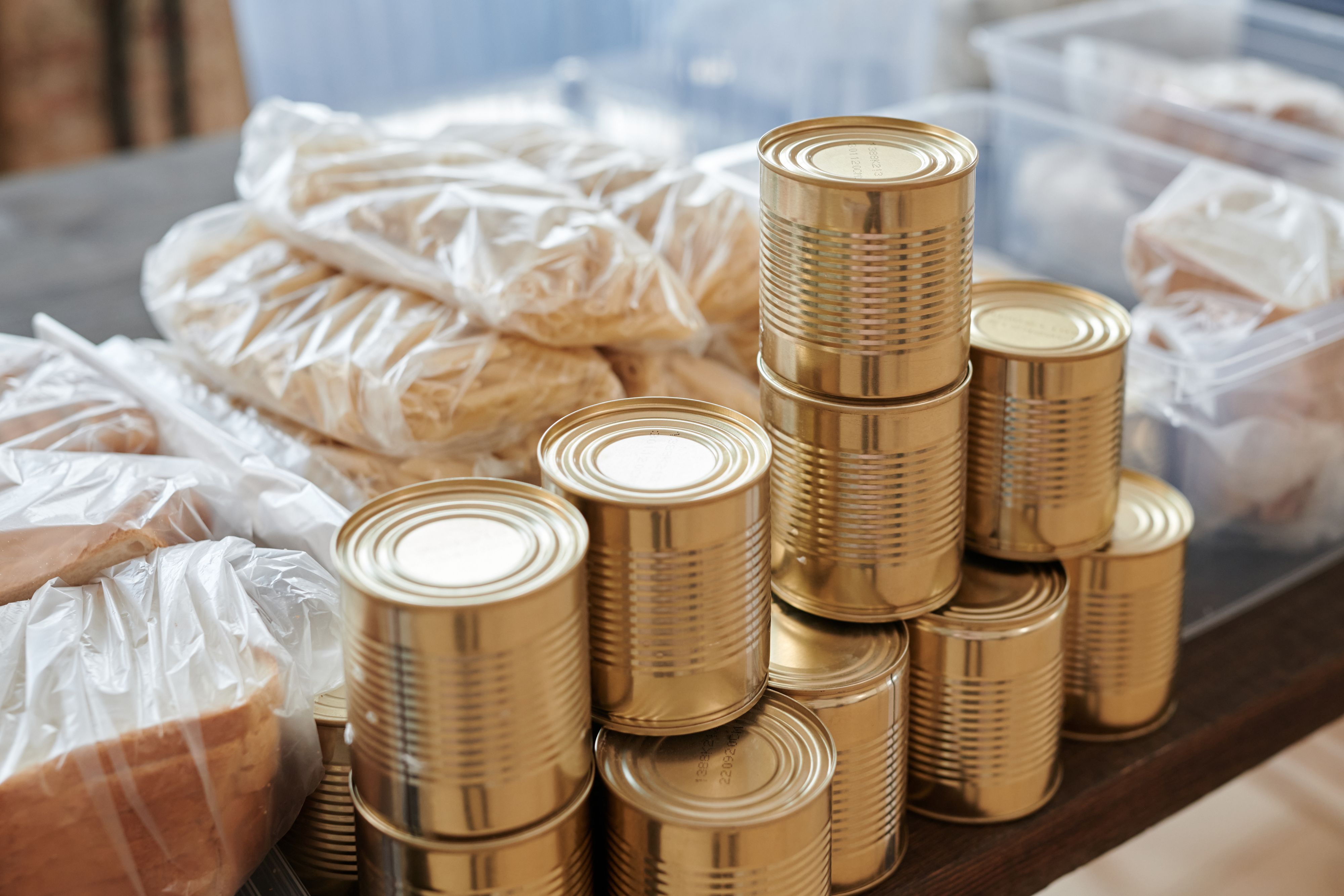
-
Market.
Find customers, and the shops, buyers or distributors to reach them.
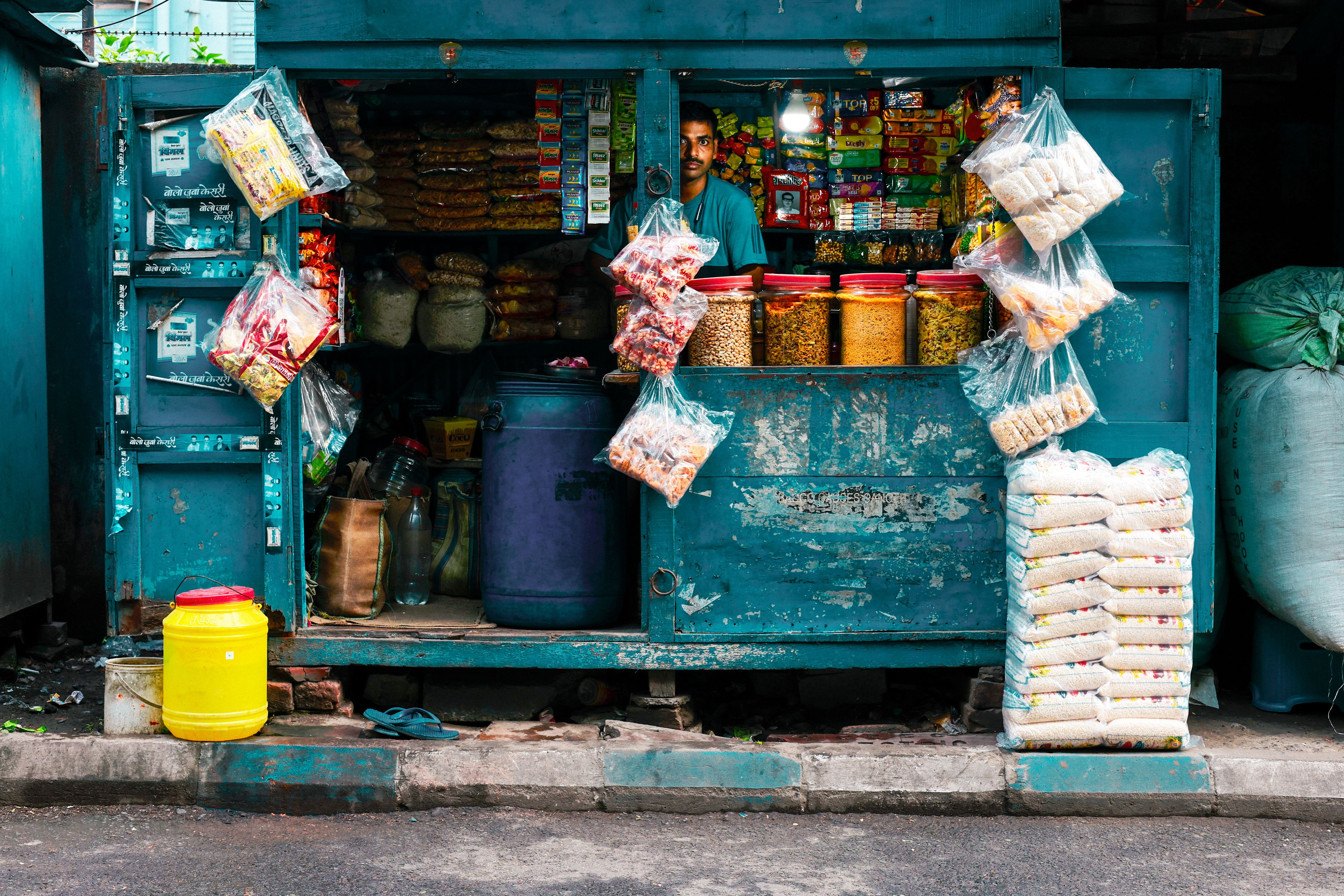
-
Grow.
Keep track of how the business is doing, fix what isn't working and help the successful ones grow.
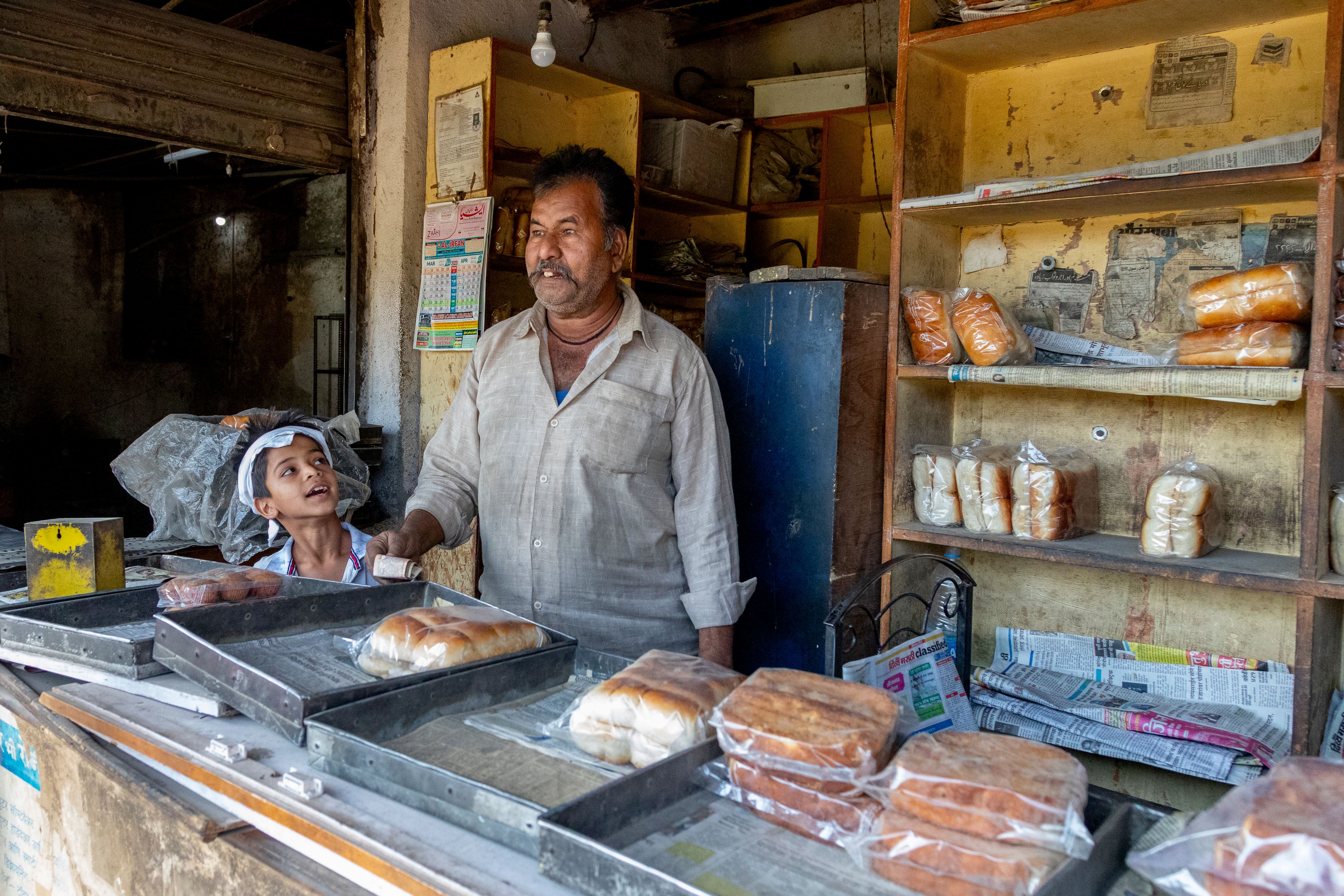
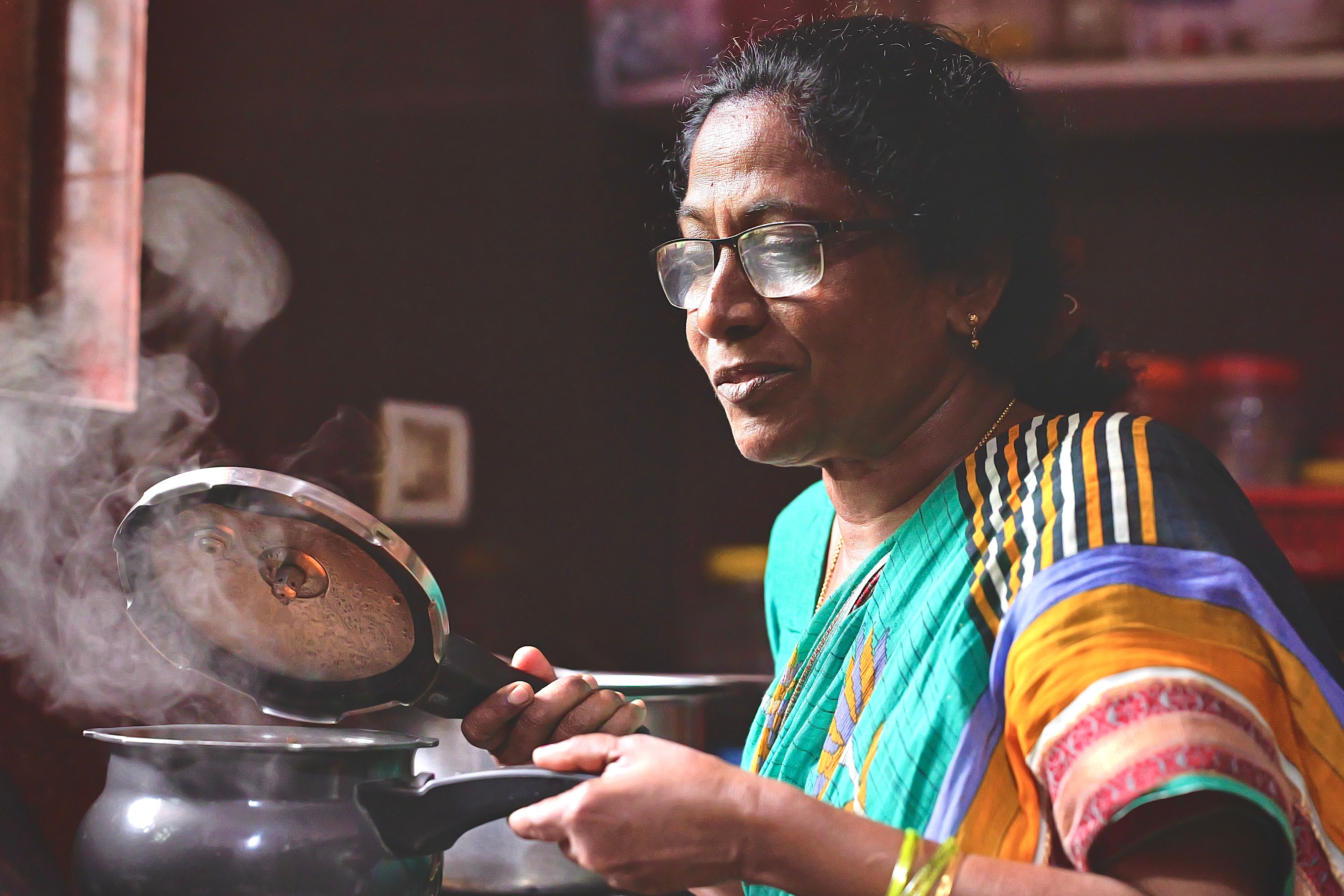
We stay on after the unit opens.
A lot of support programmes stop once the project is sanctioned, the machine is bought or the unit is inaugurated. We keep working with each business on steady production, quality, hygiene, food safety, costs, paperwork, licences, stock and customer feedback.
If we sell your product through our channels, it has to meet set quality and operating standards. We help you reach them.

Making the product is usually the easier part. Selling it reliably is harder.
We're building sales channels that products from the park businesses can go through. Which ones fit depends on the product. What buyers ask for points to the next product, and what they say helps improve the one you already make.
- Direct sales.
- Retail shops.
- Institutions.
- Online and e-commerce.
- Distributors.
- Corporate buyers.
- Group purchasing.
- Regional markets.
A loan can buy a machine. A business needs a market, a product, people, processes, quality and customers.
The usual route.
Entrepreneur, loan application, project report, machinery, start business.
Our route.
- Local resource.
- Market opportunity.
- Product.
- Entrepreneur.
- Technology.
- Processing system.
- Brand.
- Market.
- Business.
- Growth.
Who we work with.
- Aspiring food entrepreneurs.
- Micro and small food businesses.
- Farmers.
- Farmer Producer Organisations.
- Self-help groups.
- Women entrepreneurs.
- Rural entrepreneurs.
- Young people.
- Homemakers.
- People with little capital.
- People with a product idea but little technical know-how.
- Businesses upgrading their processes.
- Communities that want local food businesses.
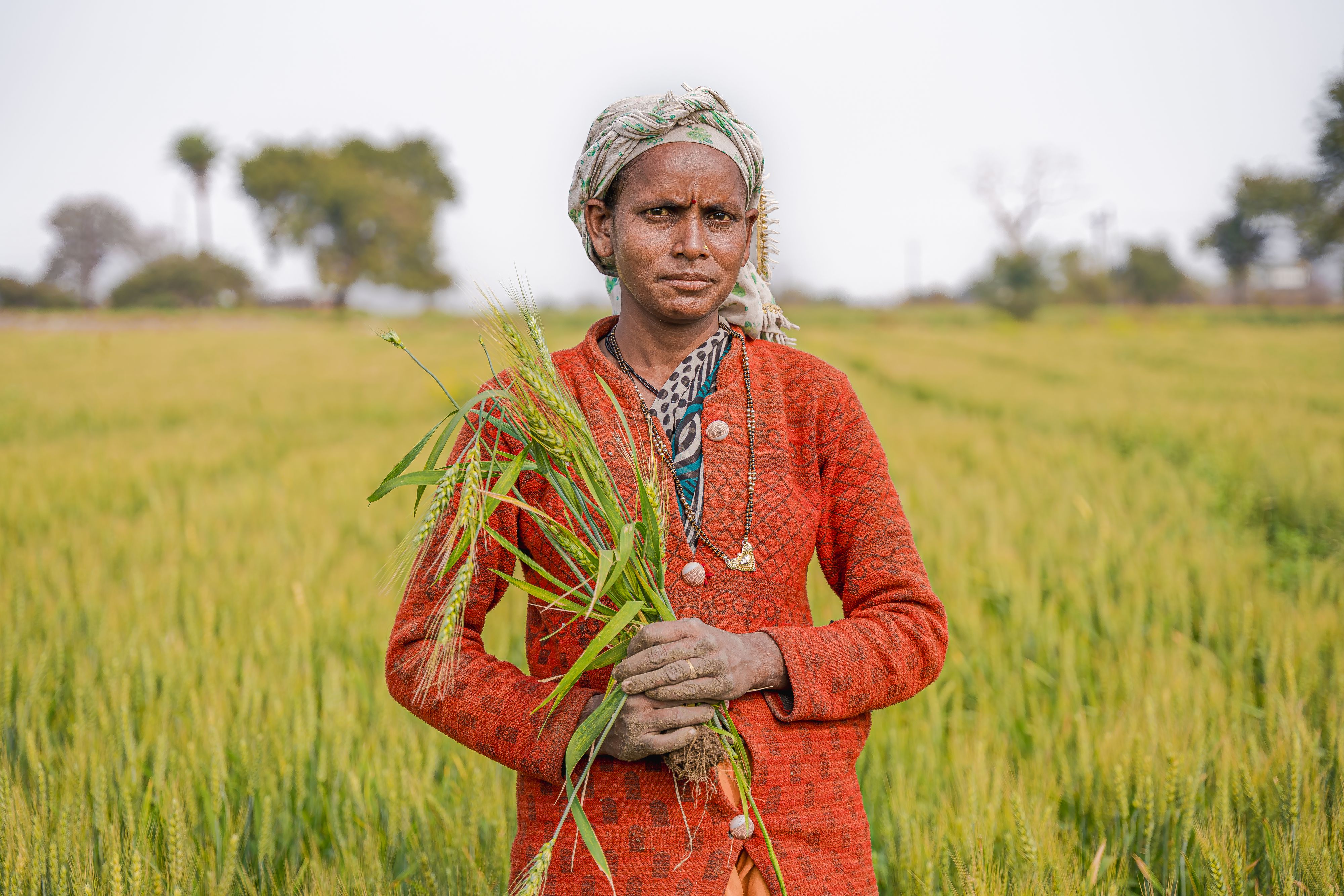
When we help arrange finance and projects, these groups come first.
- BPL families.
- SC/ST entrepreneurs.
- Persons with disabilities.
- Women entrepreneurs.
The aim is for their businesses to last and to hold their own in the market.
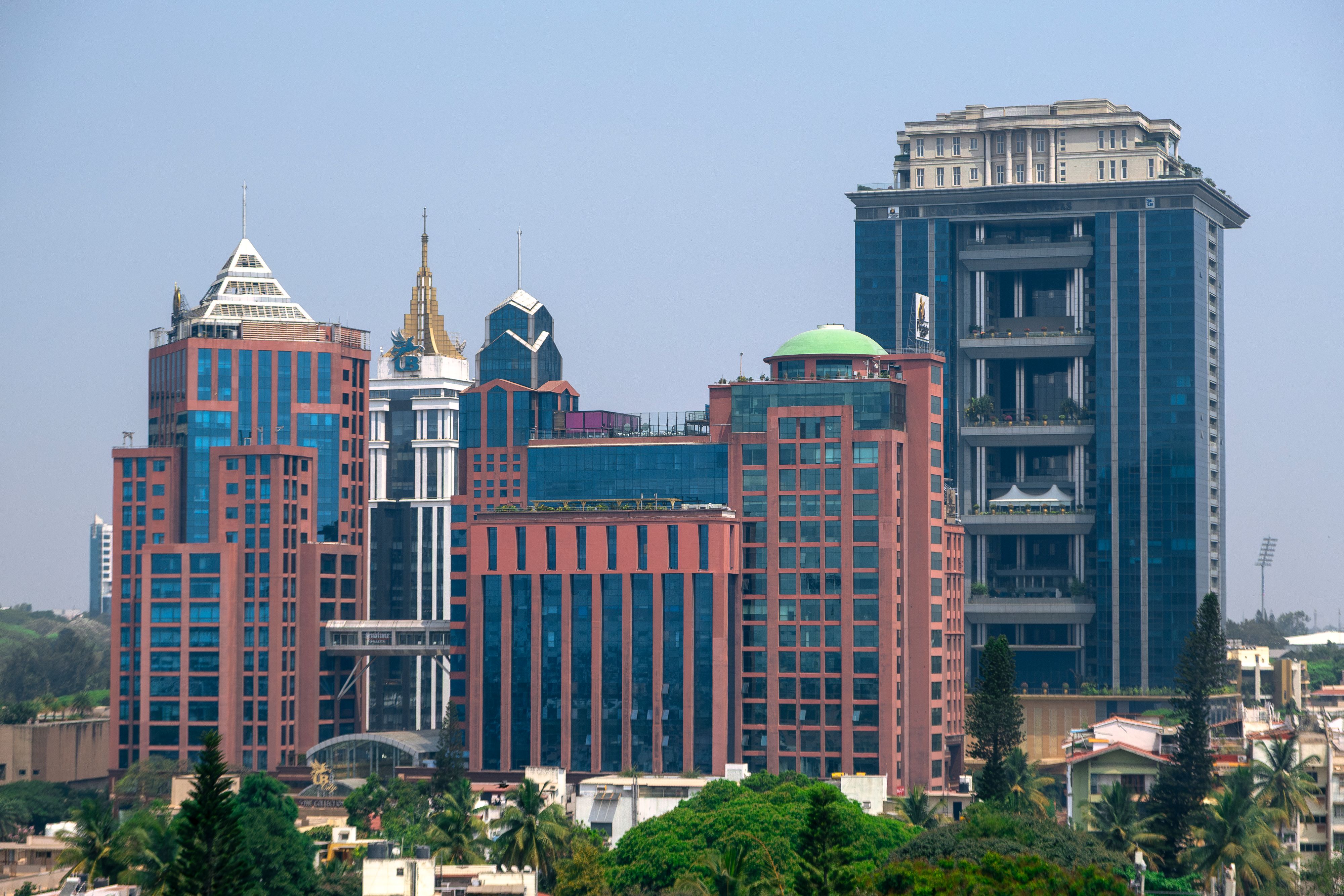
Based in Bengaluru. Working across Karnataka, and beyond.
We aren't tied to one city. A new food park can start wherever there's a group of entrepreneurs, a local resource and a market for what they make: an existing unit, a farmer or FPO initiative, an SHG cluster or a partnership with a local institution.
The aim is a model other places can copy. One facility serving several businesses, one sales channel carrying several products, and each business that works becoming the example for the next.
Questions we answer with you before you spend money.
Not every idea will work, and a subsidy on its own isn't a reason to start a business. So we work through these first, then set up whatever the answers call for.
- What should we make?
- Why will people buy it?
- How can we make it efficiently?
- How do we keep the quality up?
- What will it cost?
- How will we sell it?
- How does this become a business that lasts?
One minute. Free.
Is your idea ready? Find out.
Four quick questions. Then we call you with a first step that fits what you have.
Step 1 / 5
Your first step.
Discover.
We start by checking what sells near you, and what it would cost to make.
Develop.
We help you choose the product, the process and the machinery, and work out the numbers.
Establish.
We help you make it steadily and safely, with the right licences in place.
Market.
We help you reach more buyers, through our sales channels and your own.
We will bring product ideas that suit what you have.
A food park can share machinery and space, so you don't have to buy it all yourself.
We will take you through the licences and food-safety steps you need.
We will look at finance and government schemes that could fit. We don't promise a loan.
We will look at which sales channels could carry your product.
Thank you. We have your details and will call you soon.